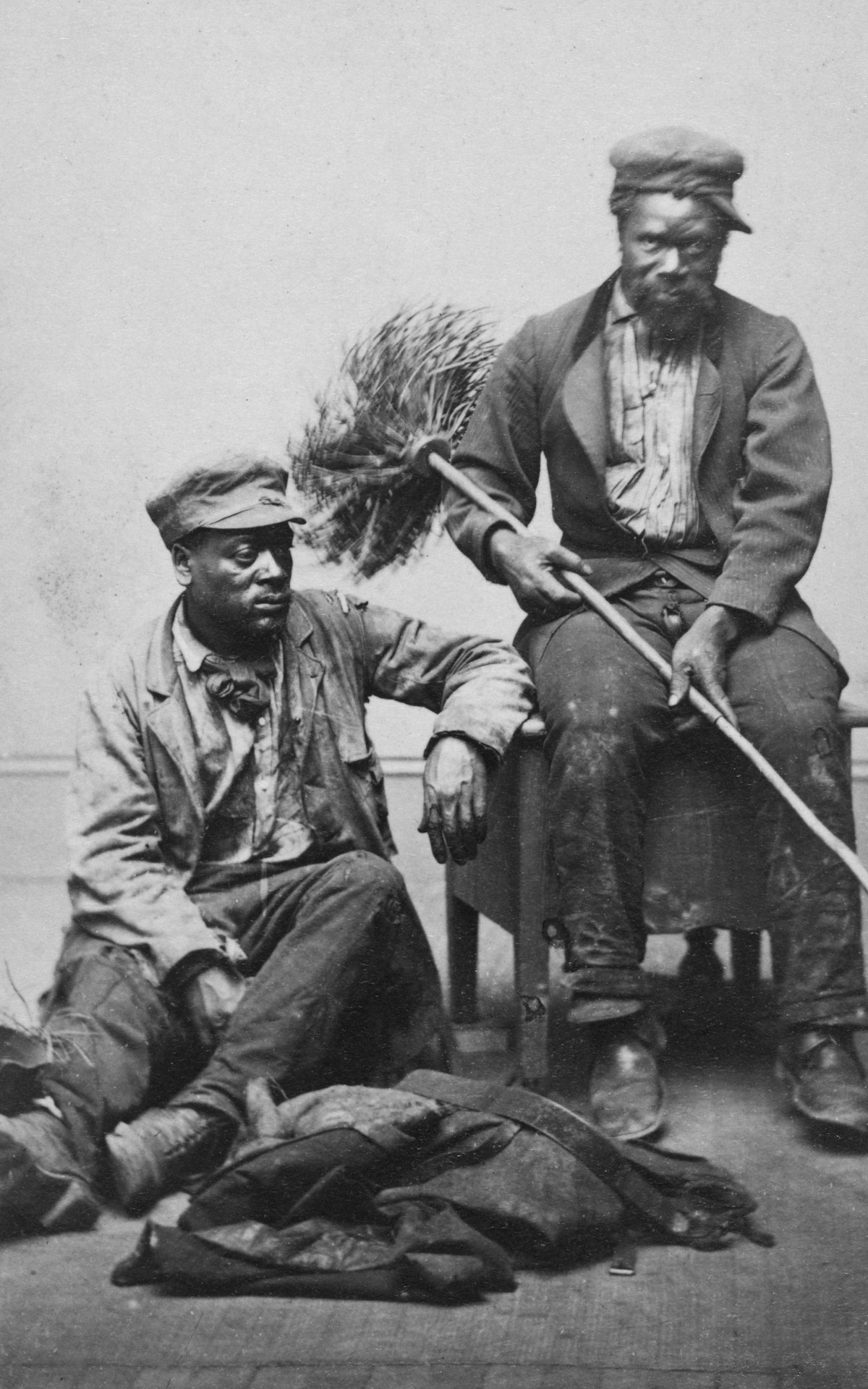
Sometimes a brush and brushing are not enough. When hard, solidified soot or layers of shiny soot accumulate in the chimney and cannot be removed by standard cleaning, milling is required. It is a more powerful but also more expensive cleaning method, and many owners do not even know when they need it.
What is chimney milling?
Milling is the mechanical removal of hard deposits from flue walls using a rotating milling cutter. Unlike traditional brushing, a milling cutter can break up hardened soot that has adhered chemically or physically to the flue wall.
The milling tool is inserted from above or below through the flue and rotates within it, mechanically removing deposits. The result is a clear, safe exhaust gas path.
When is milling necessary?
You need core drilling in these situations:
- Hard tar deposits: If you have been burning damp wood or operating at low temperatures, tar hardens and adheres to the walls.
- Switching from solid fuels: When switching from wood or coal to gas, the flue must be cleaned of all deposits.
- The chimney has not been cleaned for years: Neglected chimney with soot deposits from multiple seasons
- After a chimney fire: A fire can leave behind layers of vitrified soot that cannot be removed with a brush.
- Insidious glossy soot (glaze): This type of deposit adheres to the walls and cannot be removed by standard cleaning.
How to tell if you need flue cleaning? During a routine inspection, the chimney sweep will assess the type and thickness of deposits. If the deposits are hard or glossy, they will recommend milling. It is difficult for you to determine this yourself, leave it to the professional.
How milling is carried out: step by step
Inspection and assessment
The chimney sweep will inspect the flue (possibly using a camera) and determine the type and extent of deposits. They will decide whether milling is necessary and to what extent.
Covering and Preparation
The surrounding area (stoves, fireplaces, flooring) is covered with sheets. Milling is a dusty job, preparation is important.
Drilling
The milling tool is inserted into the flue and gradually advanced along the entire length of the chimney. The loosened deposits fall down and are collected in an ash pan or a special bag.
Final cleaning and inspection
After milling, the flue is brushed once more, cleaned and inspected. The chimney sweep issues a protocol of the work performed.
Do you need flue grinding or are you unsure of your chimney's condition? Call me. I will come and assess the situation.
Call 277 278 918Chimney milling price in Praha 2026
Indicative price list: Praha 2026
Milling is more expensive than standard cleaning but cheaper than chimney repair or an emergency caused by the ignition of deposits. The price depends on the chimney's length, accessibility and degree of blockage.
What to do after milling?
After milling, the flue is clean and ready for operation. I recommend:
- Heat with dry, well-seasoned wood (moisture content below 20 %).
- Heating at higher temperatures: minimises condensation
- Comply with statutory cleaning deadlines (Twice a year for solid fuels)
- Have regular cleaning carried out by a professional: this prevents the problem from recurring.